Bell IconLaunching June 2026

Become a Beta Tester

Home / Blog

No Trade Is Also a Trade, Don't Feel Guilty Yet

Every individual trader knows the feeling; hours of research, thousands of assets screened, and still nothing worth putting capital behind. With over 6,000 stocks in the market, that's not unusual. Some days the honest answer is that no trade qualifies. And recognizing that is a skill, not a setback. We have a Solution!

Michael Podsiadlo

min. read
Listen this blog
0:00 0:00

The Psychology Behind Why Traders Feel Guilty for Sitting Out

The Pressure to Trade Is the Market's Greatest Trick

Every day the market opens, it creates the same illusion that something needs to be done. Prices move. Volume spikes. And the longer you watch without acting, the more it feels like you're falling behind.

But here's what that pressure actually is; noise designed to pull undisciplined traders into bad positions. The market doesn't reward activity. It rewards accuracy. And accuracy requires waiting for the right setup, even when everything around you is screaming to act.

The traders who understand this don't fight the urge to trade every day. They've simply built a system that removes the urge entirely.

How Disciplined Traders Know When to Sit Out

The difference between a trader who sits out with confidence and one who sits out with anxiety is simple; criteria. Profitable swing traders don't decide in the moment whether to trade. They define their rules before the market opens and let those rules make the decision for them.

No clear trend. No defined setup. No confirmed entry signal. Any one of these is enough reason to stay out. The setup either meets the criteria or it doesn't. There's no grey area, no convincing yourself, and no compromising the standard because the market feels like it's moving. Rules remove the guilt because the decision was never emotional in the first place.

The Traders Who Wait the Longest Win the Most.

Every trader wants to find the edge that separates them from the majority. Most look for it in indicators, strategies, or market secrets. The real edge is hiding in plain sight; it's the ability to do nothing until the right moment arrives, and then act without hesitation.

Swing trading rewards patience at every level. The setup that develops over three days is stronger than the one that appeared in three minutes. The entry waited for confirmation beats the one chased on impulse every single time. Patience doesn't slow down your trading. It sharpens every decision you make when you finally act.

Institutional Technology. Individual Trader. That's What This Software Company Built.

The hardest part of sitting out isn't the patience. It's the uncertainty. Not knowing whether a valid setup exists today or whether you're simply missing something the market isn't showing you clearly. That uncertainty is what pushes traders into bad positions; not greed, not impatience. Just the absence of reliable information.

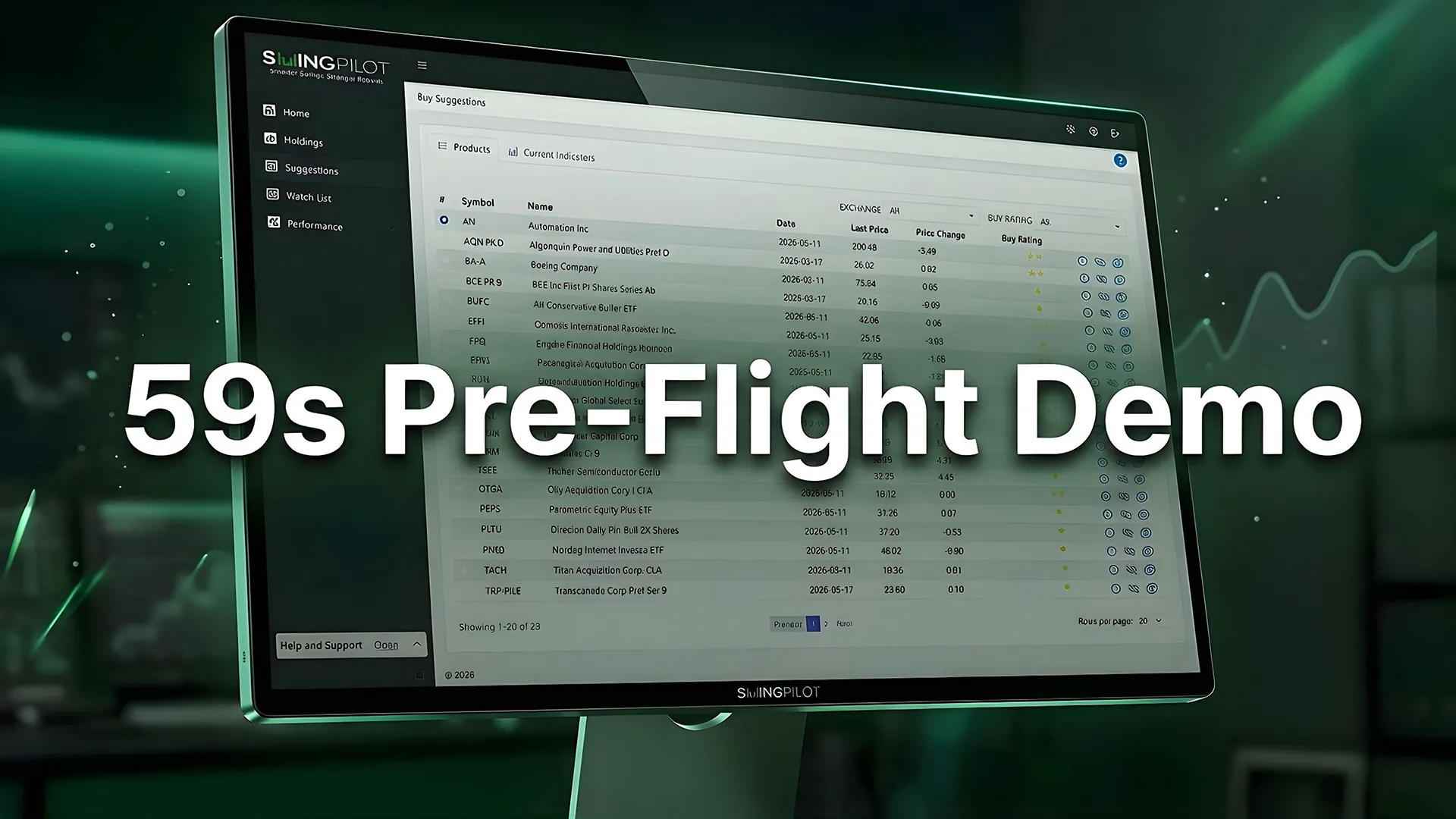
This is the problem Swing Pilot was built to solve as a software company. AI-powered signals, ranked by probability, delivered before the market opens; so you know exactly when to act and exactly when to sit out. Confidence in doing nothing comes from knowing everything.

We're Already Covering Your Questions

What is a no trade day in swing trading? A no trade day is a session where a swing trader reviews the market, finds no setup meeting their criteria, and deliberately chooses not to enter any position. It is not a wasted day, it protects capital, preserves mental energy, and keeps the trader ready for the next genuine opportunity.

Is it okay to skip trading on some days? Not only is it okay; it's often the smartest decision a trader can make. Forcing trades on days without valid setups leads to unnecessary losses and erodes both capital and confidence. The best traders treat a no trade day as a disciplined win, not a failure.

Does sitting out affect swing trading performance? Sitting out on low-quality setup days actually improves overall trading performance. Fewer bad trades means less capital damage, lower fees, and better mental clarity for when a genuine opportunity appears. Selectivity is the foundation of consistent profitability in swing trading.

Your Next Best Trade Might Be the One Swing Pilot Hasn't Flagged Yet

Not every open market deserves your capital. Not every moving chart deserves your attention. Swing Pilot exists to cut through the noise; precision-built signals, ranked and ready before the first candle forms, so every decision you make is backed by precision, not pressure.

Traders who win consistently aren't the ones who trade the most. They're the ones who wait for Swing Pilot to say go. Until then, patience isn't weakness. It's the strategy. Time is the edge. Use it wisely.

Become a Beta Tester at swingpilot.app Because the best trade starts with knowing when not to trade.

Smarter Swings. Smarter Returns.


What to read next

Home  >  Blog • min. read

No Trade Is Also a Trade, Don't Feel Guilty Yet

Team Logo
Michael Podsiadlo
Last Update Apr 25, 2026

Every individual trader knows the feeling; hours of research, thousands of assets screened, and still nothing worth putting capital behind. With over 6,000 stocks in the market, that's not unusual. Some days the honest answer is that no trade qualifies. And recognizing that is a skill, not a setback. We have a Solution!

Email Email Hover Facebook Facebook Hover Copy Link Copy Link Hover
Listen this blog
0:00 0:00

The Psychology Behind Why Traders Feel Guilty for Sitting Out

The Pressure to Trade Is the Market's Greatest Trick

Every day the market opens, it creates the same illusion that something needs to be done. Prices move. Volume spikes. And the longer you watch without acting, the more it feels like you're falling behind.

But here's what that pressure actually is; noise designed to pull undisciplined traders into bad positions. The market doesn't reward activity. It rewards accuracy. And accuracy requires waiting for the right setup, even when everything around you is screaming to act.

The traders who understand this don't fight the urge to trade every day. They've simply built a system that removes the urge entirely.

How Disciplined Traders Know When to Sit Out

The difference between a trader who sits out with confidence and one who sits out with anxiety is simple; criteria. Profitable swing traders don't decide in the moment whether to trade. They define their rules before the market opens and let those rules make the decision for them.

No clear trend. No defined setup. No confirmed entry signal. Any one of these is enough reason to stay out. The setup either meets the criteria or it doesn't. There's no grey area, no convincing yourself, and no compromising the standard because the market feels like it's moving. Rules remove the guilt because the decision was never emotional in the first place.

The Traders Who Wait the Longest Win the Most.

Every trader wants to find the edge that separates them from the majority. Most look for it in indicators, strategies, or market secrets. The real edge is hiding in plain sight; it's the ability to do nothing until the right moment arrives, and then act without hesitation.

Swing trading rewards patience at every level. The setup that develops over three days is stronger than the one that appeared in three minutes. The entry waited for confirmation beats the one chased on impulse every single time. Patience doesn't slow down your trading. It sharpens every decision you make when you finally act.

Institutional Technology. Individual Trader. That's What This Software Company Built.

The hardest part of sitting out isn't the patience. It's the uncertainty. Not knowing whether a valid setup exists today or whether you're simply missing something the market isn't showing you clearly. That uncertainty is what pushes traders into bad positions; not greed, not impatience. Just the absence of reliable information.

This is the problem Swing Pilot was built to solve as a software company. AI-powered signals, ranked by probability, delivered before the market opens; so you know exactly when to act and exactly when to sit out. Confidence in doing nothing comes from knowing everything.

We're Already Covering Your Questions

What is a no trade day in swing trading? A no trade day is a session where a swing trader reviews the market, finds no setup meeting their criteria, and deliberately chooses not to enter any position. It is not a wasted day, it protects capital, preserves mental energy, and keeps the trader ready for the next genuine opportunity.

Is it okay to skip trading on some days? Not only is it okay; it's often the smartest decision a trader can make. Forcing trades on days without valid setups leads to unnecessary losses and erodes both capital and confidence. The best traders treat a no trade day as a disciplined win, not a failure.

Does sitting out affect swing trading performance? Sitting out on low-quality setup days actually improves overall trading performance. Fewer bad trades means less capital damage, lower fees, and better mental clarity for when a genuine opportunity appears. Selectivity is the foundation of consistent profitability in swing trading.

Your Next Best Trade Might Be the One Swing Pilot Hasn't Flagged Yet

Not every open market deserves your capital. Not every moving chart deserves your attention. Swing Pilot exists to cut through the noise; precision-built signals, ranked and ready before the first candle forms, so every decision you make is backed by precision, not pressure.

Traders who win consistently aren't the ones who trade the most. They're the ones who wait for Swing Pilot to say go. Until then, patience isn't weakness. It's the strategy. Time is the edge. Use it wisely.

Become a Beta Tester at swingpilot.app Because the best trade starts with knowing when not to trade.

Smarter Swings. Smarter Returns.


Time Is the Edge.

Use It.

Stop trading on emotion. Get AI-powered signals ranked by probability, delivered before the bell.

Become a Beta TesterFree!

What to read next
Small Losses Aren’t The Turbulence. These 3 Trading Habits Are.
Read More
The Difference Between Gambling and Trading
Read More
Day Trade or Swing Trade: What’s the Difference?
Read More